Trail

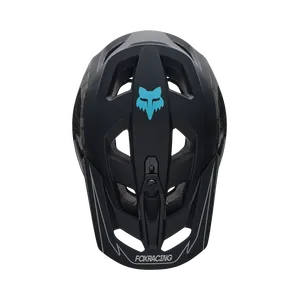
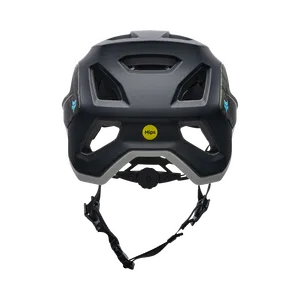


Trail MTB Helmets: Open-Face Fox Helmets for Trail Riding
Trail helmets are open-face (half-shell) mountain bike helmets made for all-day riding on singletrack, flow trails and technical descents, where you need more coverage than a cross-country lid but more ventilation and less weight than a full-face. This category at Foxracing.si gathers Fox trail helmets for riders who climb under their own power and still want protection on the way back down. It suits trail, enduro-light, all-mountain and everyday MTB riding for men, women and younger riders alike.
What this category offers
- Classic half-shell trail helmets with deeper rear and temple coverage than road or XC helmets, an adjustable visor and large vents for long climbs.
- Helmets with rotational impact protection such as MIPS liners, designed to reduce rotational forces in angled impacts.
- Extended-coverage open-face helmets that wrap further around the ears and jaw line for bike park laps and steeper, rockier terrain, while keeping the airflow of an open face.
- Lightweight, high-ventilation models for hot weather, marathon rides and uphill-heavy days.
Fox builds its trail helmets in recognisable families, including Speedframe, Mainframe, Crossframe Pro and Dropframe Pro, so you can choose between minimal weight, maximum ventilation or the widest coverage in an open-face shape.
How to choose a trail helmet
- Fit and size: measure your head circumference with a tape about one finger width above the eyebrows and compare it with the size chart. The helmet should sit level, roughly two finger widths above the brow, and stay put when you shake your head with the straps undone.
- Retention system: a dial adjuster at the back lets you fine-tune fit on the trail and with a cap or thin beanie underneath.
- Coverage: the more descending and bike park riding you do, the lower the rear and temple coverage should reach.
- Rotational protection: MIPS or a comparable system is worth having if you ride technical terrain regularly.
- Ventilation and weight: more and larger vents plus internal channelling keep you cool on climbs; lighter shells reduce neck fatigue on long rides.
- Visor and eyewear: check that the visor adjusts high enough to park goggles underneath, and that the shell works with the sunglasses or goggles you already own.
- Certification: look for the EN 1078 marking (and CPSC on some models) inside the helmet.
- Comfort details: washable, moisture-wicking pads and soft strap dividers make a big difference over several hours.
Brands
This category is dedicated to Fox, a brand known across mountain biking for protective gear and helmets developed with trail, enduro and downhill riders.
FAQ
What is the difference between a trail helmet and an XC helmet?
A trail helmet has deeper coverage at the back of the head and around the temples and usually a larger adjustable visor, while an XC helmet is lighter and more open. Trail helmets prioritise descending protection, XC helmets prioritise weight and airflow.
Do I need a full-face helmet instead?
For pedal-heavy trail rides, an open-face trail helmet is the usual choice. If you ride bike park laps, shuttle runs or downhill tracks, a full-face helmet gives chin and face protection that an open-face helmet cannot.
How do I find my helmet size?
Measure the circumference of your head just above the eyebrows and ears, then match that figure to the size chart of the model you are looking at. If you fall between two sizes, try the fit with the dial adjuster before deciding.
Can I wear goggles with a trail helmet?
Yes. Most trail helmets have an adjustable visor that flips up so goggles can be stowed on the front of the helmet, and a strap gripper or shaped rear shell to hold the goggle strap in place.
When should a helmet be replaced?
Replace a helmet after any crash or hard impact, even if there is no visible damage, and when the shell, straps or pads show ageing or wear.
Browse the trail helmets in this category and find the combination of coverage, ventilation and fit that matches the trails you ride.